
What Size Excavator Do I Need?
Choosing the right heavy machinery is necessary to the success of any project. Knowing what size excavator I need is therefore an necessary first step. On the job site, the proper machine guarantees efficacy, safety, and economy. The information required for choosing the right excavator size will be provided by this excavator size guide to engineers and project managers. To help you make a decision, Yonggong will look at various excavator classes, important selection criteria, and particular uses.

Sizes of Excavators
There are various size classes for excavators. Different project scales and site conditions are catered to by each class. Making an informed decision begins with having a thorough knowing of these categories. Productivity is directly affected by the choice made.
Mini Excavators
Mini excavators are small, multipurpose devices. They are perfect for working in cramped spaces because of their compact size. For example, they are excellent in utility trenching, indoor demolition, and home landscaping. The operational weight of mini excavators is usually less than 10 metric tons. As a result, they disrupt the earth very little. For projects involving delicate surfaces or completed landscapes, this quality is necessary.
Mini excavators are incredibly powerful and precise for their size. Zero-tail-swing or almost zero-tail-swing designs are found in several models. This makes it possible for operators to safely work next to obstructions like walls. Mini excavator uses can include building complex landscape features or excavating around existing utilities. A large variety of hydraulic attachments are available to further increase their adaptability.
Midi Excavators
The midway between mini and normal models is filled by midi excavators. They provide a good mix of compactness, power, and reach. Their typical operational weight is between 10 and 20 metric tons. For medium-sized tasks where a regular excavator would be too big and unwieldy but a micro excavator lacks the power required, midi excavators are appropriate.
Larger landscaping jobs, road construction, and commercial building are common uses for these equipment. Compared to their smaller equivalents, they offer a deeper digging depth and a higher lifting capacity. They are nevertheless sufficiently mobile for somewhat constrained job sites, though. Because of this, a midi excavator can perform jobs like putting heavy items like concrete pipelines, extensive trenching, and foundation excavating for small constructions.
Standard Excavators
The construction industry’s workhorses are standard excavators. These devices are designed to do a variety of difficult tasks. They typically weigh between 20 and 45 metric tons when in operation. Standard excavators have significant lifting and digging power. For the majority of general building, demolition, and earthmoving tasks, they are therefore indispensable.
Standard excavators can be seen on construction projects for roads, infrastructure, and commercial buildings. They have the ability to effectively move substantial amounts of dirt and debris. They are appropriate for large-scale excavation projects due to their extended reach and deeper digging depths. Even though they need more room to work, smaller machines cannot match their productivity on medium- to large-scale tasks.
Large Excavators
The most difficult, heavy-duty tasks are intended for large excavators. Some types of these machines weigh over 100 tons, and their operating weights exceed 45 metric tons. Their capacity to transfer large volumes of material quickly is their main benefit.
These strong excavators have huge bucket capacities and tremendous breakout force. They are therefore very effective at loading big haul trucks and moving bulk dirt. They need a lot of operating area and transit logistics because of their size and weight. For projects when maximal power and productivity are the top priorities, large excavators are the unquestionable option.
Key Factors to Consider When Choosing an Excavator
What size excavator do I need? depends on a number of technical parameters in addition to size class. It is necessary to thoroughly compare project requirements with machine specs. This guarantees the safe and efficient operation of the chosen excavator.
Digging Depth
Assessing the necessary digging depth and reach for your project is the first step. Adapt the boom and stick configuration of the excavator to the particular requirements of the job. Inadequate reach on an excavator will require repositioning. On the other hand, a machine that reaches too far for a shallow task could be less reliable and more expensive. To determine the exact dig depth and maximum reach at ground level, always refer to the manufacturer’s specification sheet.
Lifting Capacity
Another important factor is lifting capacity. Trench boxes, pipes, and demolition waste are just a few of the objects that the excavator has to be able to carry and move securely on the job site. The operational weight, counterweight, and boom design of the excavator all have a substantial impact on lifting capability. The lift radius must also be taken into account. As the load is pushed farther away from the machine’s midline, the capacity drops. Make sure the machine can handle the toughest lifting requirements for your project by carefully examining its lift charts.
Worksite Conditions
Next, conduct a detailed assessment of the working environment. Think about the ground conditions, access points, and the overall amount of space that is available. A micro or midi excavator with a small footprint and zero tail swing is required for a confined urban workplace. To lessen ground pressure on a wide-open site with soft soil, a standard or big excavator with wider tracks may be needed. Additionally, the topography is important; some models may not be as stable on steep hills or uneven ground.
Hydraulic Attachments
Last but not least, think about the hydraulic attachments your project will require. To power equipment like breakers, augers, compactors, or grapples, the hydraulic system of the excavator you choose must be suitable. Verify the hydraulic flow rate and pressure requirements of the machine. Make sure they meet the specifications of the attachments you intend to utilize. An excavator’s adaptability and return on investment can be increased by selecting one with the appropriate auxiliary hydraulic circuits.
Excavator Size Chart
This table gives a thorough excavator size comparison to assist with choosing the right excavator size. It describes the standard requirements for every class.
| Feature | Mini Excavator | Midi Excavator | Standard Excavator | Large Excavator |
| Size Class | Mini | Midi | Standard | Large |
| Typical Operating Weight | 1 – 10 metric tons (2,200 – 22,000 lbs) | 10 – 20 metric tons (22,000 – 44,000 lbs) | 20 – 45 metric tons (44,000 – 99,000 lbs) | 45+ metric tons (99,000+ lbs) |
| Typical Digging Depth | 5 – 15 feet | 12 – 20 feet | 18 – 30 feet | 25 – 40+ feet |
| Common Applications | Residential landscaping, utility trenching, indoor demolition, small-scale digging | Mid-sized construction, roadwork, larger landscaping projects, foundation digging | General construction, mass excavation, demolition, road building, pipe laying | Mining, quarrying, large-scale earthmoving, major demolition, dredging |
| Key Advantage | Maneuverability in tight spaces, minimal ground disturbance | Balance of power and compactness | High productivity for general tasks | Maximum power and material moving capacity |
| Tail Swing | Often zero or near-zero tail swing | Varies; conventional and reduced-radius options available | Typically conventional or reduced-radius | Conventional tail swing for maximum stability |

Vision & Mission
We are committed to providing safe, efficient, and environmentally friendly solutions for global customers through continuous technological innovation and exceptional product quality, driving industry progress and collectively creating a better future.
Core Values
We are guided by customer needs, deeply understand their scenarios, deliver products and service experiences that exceed expectations, and establish and maintain lasting partnerships.How to be a person | How to do things | How to do business | Pragmatic Innovation | Pursue excellence | Team Spirit
Tianjin Jinwei Machinery Equipment Co, Ltd.
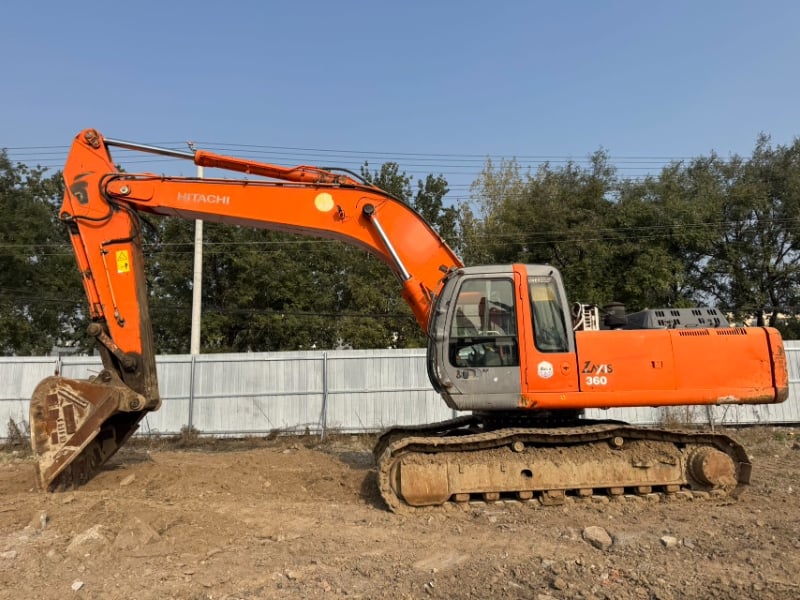
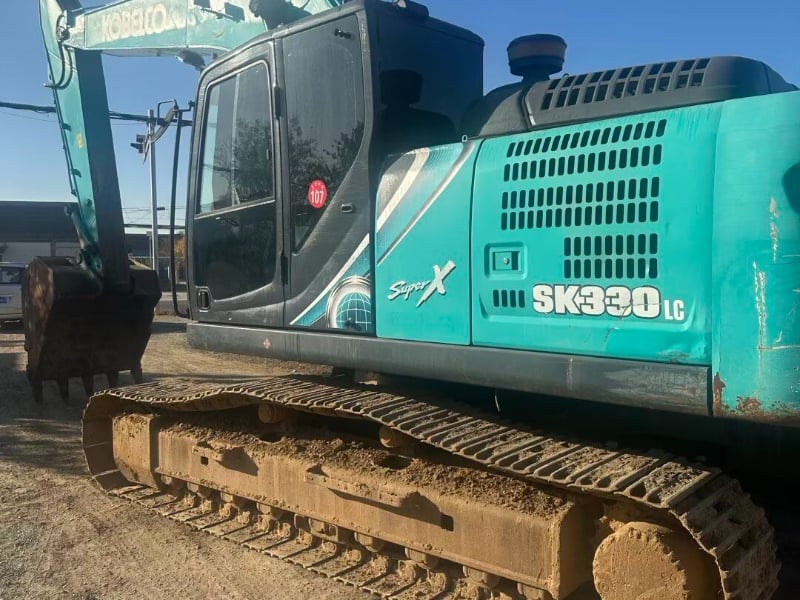
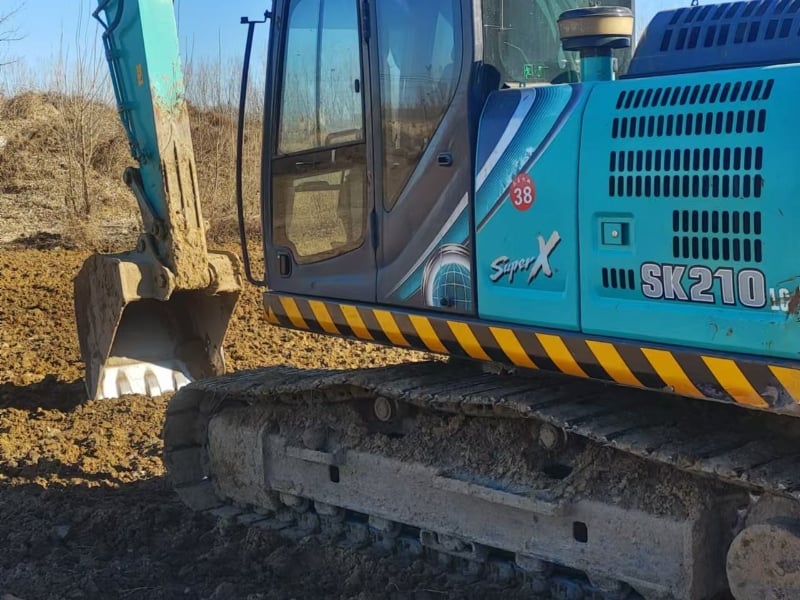
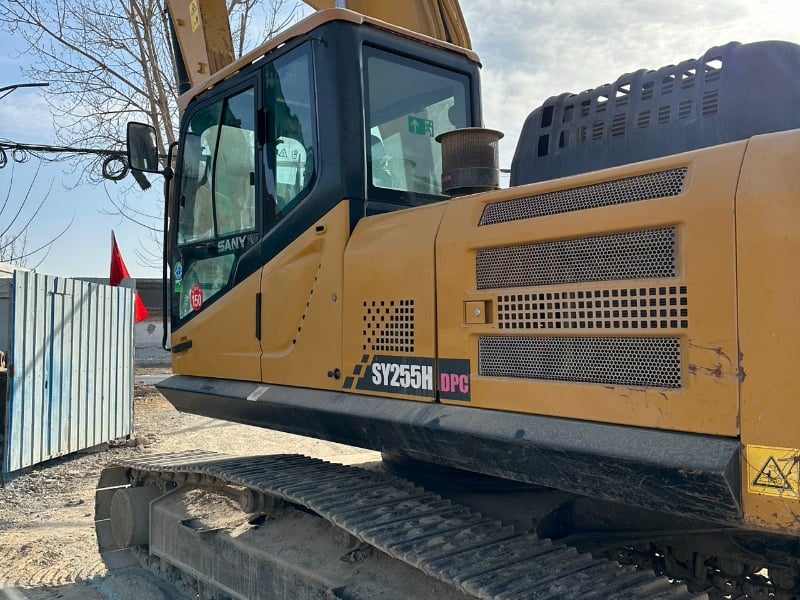
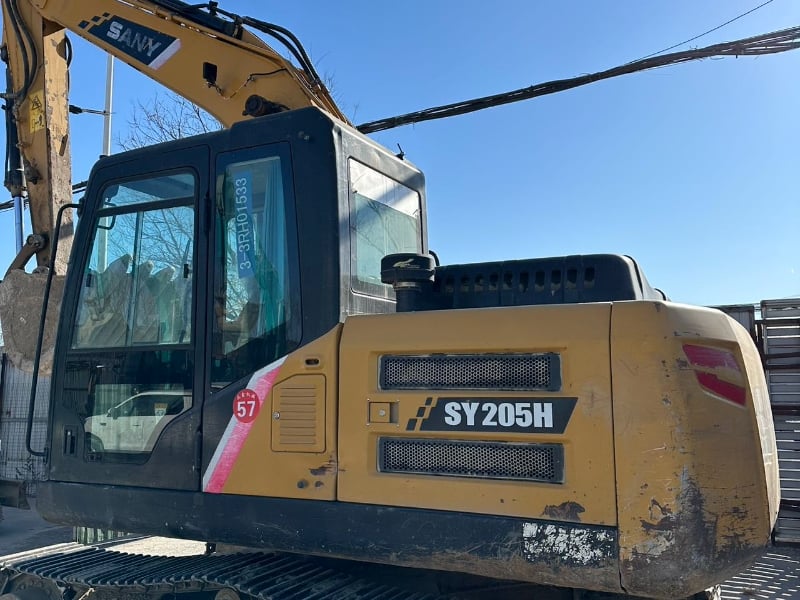
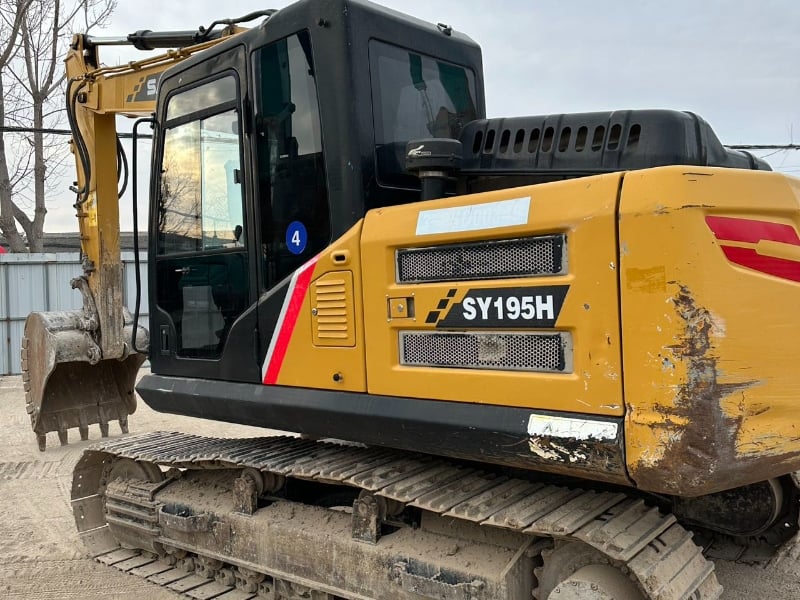
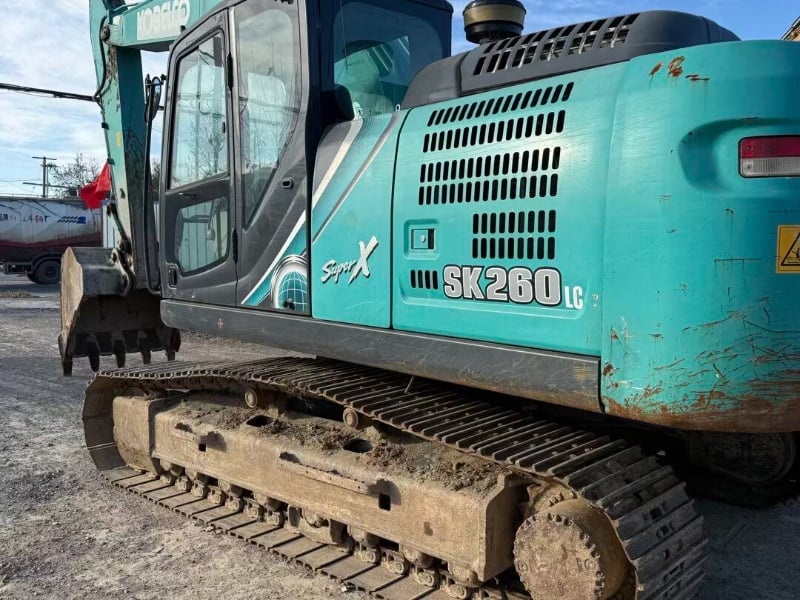
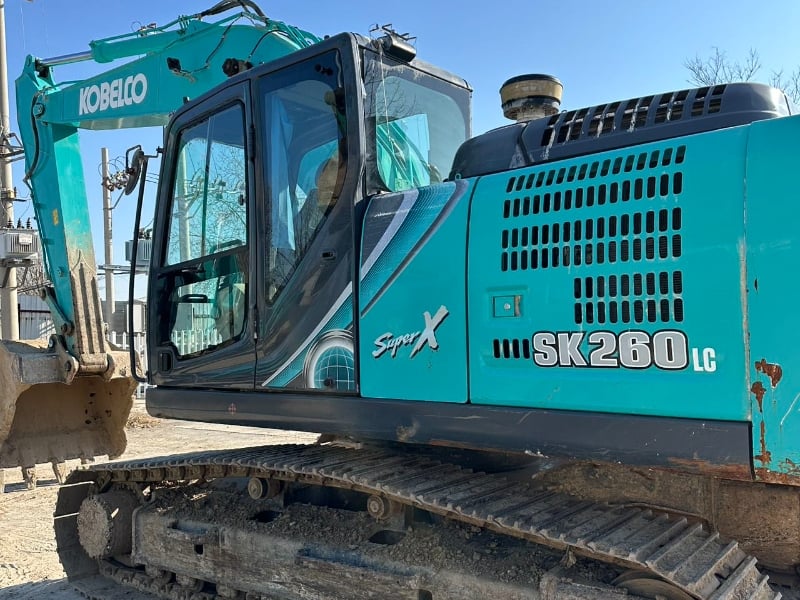
Tianjin Jinwei Machinery Equipment Co. est un fournisseur professionnel spécialisé dans l'exportation de pelles et de machines de construction d'occasion. Nous proposons une vaste sélection de pelles d'occasion de grandes marques internationales telles que Caterpillar, Komatsu, SANY, Hitachi, XCMG et Kobelco. Stratégiquement situés à Tianjin, la plus grande ville portuaire du nord de la Chine, nous bénéficions d'avantages géographiques exceptionnels et d'un réseau logistique mondial très efficace. Cette proximité avec l'un des ports les plus actifs au monde garantit une expédition rationalisée, des coûts de transport réduits et des délais de livraison plus courts, ce qui nous permet de répondre rapidement aux demandes du marché et de livrer rapidement des machines de haute qualité dans le monde entier.