
Types of Excavator Attachment
On any construction site, excavators are strong machinery. But the variety of attachments that are available is what gives them their actual versatility. Comprehending the various kinds of excavator attachments is necessary for optimizing productivity and meeting certain project requirements. A normal excavator can be converted into a specialized equipment that can handle delicate materials and carry out demolition activities with the correct attachment. The several attachments accessible for engineers and industry specialists will be examined in this guide.

Common Attachments for Excavators
Because of their many uses, some attachments are commonplace on construction sites. Most material handling, demolition, and earthmoving jobs are completed with these tools. It is necessary for project planning and execution to be familiar with these main types of excavator attachments.
Buckets
The most basic attachment for an excavator is a bucket. They are available in a variety of designs for a range of uses. Common materials like gravel and soil are dug up and loaded using a general-purpose bucket. A heavy-duty or severe-duty rock bucket provides strengthened construction for more difficult jobs. When digging through rock and other abrasive materials, these buckets can survive the high impact. Grading buckets, on the other hand, are shallower and wider. They are perfect for producing level, smooth surfaces.
Thumbs
A bucket is used in conjunction with a hydraulic thumb. It functions similarly to a human thumb and mounts on the excavator’s stick. This gives users fine-grained control over grabbing and moving items. An excavator, for example, can pick up and position individual logs, boulders, or pieces of demolition rubble with a thumb. This feature is important for precisely loading vehicles or sorting commodities on the spot. An excavator’s material handling capabilities are greatly enhanced by thumbs.
Grapples
rapples are made especially for handling and gripping large or oddly shaped objects. In contrast to a bucket and thumb combination, grapples have two jaws that move. Grapples for sorting and demolition are sturdy. They are capable of handling debris such as scrap metal and concrete. Conversely, log grapples are made for use in forestry. They move brush and logs with a firm grip.
Hammers
For quarrying and demolition, hydraulic hammers, sometimes referred to as breakers, are indispensable. They disintegrate hard materials by applying strong, repeated impact forces. Hammers are excellent in fracturing pavement. For safe and efficient operation, the hammer’s size and impact energy must match the weight and hydraulic capability of the excavator.
The Rippers
A single, large shank of high-strength steel is called a ripper. Its purpose is to break through hard, compacted ground. When breaking through frozen soil, shale, or densely packed earth, rippers work very well. The material is loosened by this process. In difficult ground conditions, they are a important tool for preliminary site preparation.
Augers
Hydraulically powered drilling accessories, called augers, drill holes for trees, poles, fence posts, and footings. Different torque and speed ratings are available for auger drives. The auger bits themselves come in a variety of lengths and sizes. The necessary hole size and the state of the ground determine which bit is best. To drill into solid rock, for example, rock augers are equipped with specific teeth.
Specialized Attachments for Excavators
A variety of specialized kinds of excavator attachments are available for particular and difficult tasks in addition to the standard tools. Excavators can now carry out extremely specialized operations that would normally require specialized equipment thanks to these attachments.
Shears
Strong cutting instruments used in scrap processing and demolition are hydraulic shears. They work similarly to enormous scissors. With tremendous force, mobile shears can cut through rebar, pipes, and steel beams. Because of this, they are extremely useful for breaking down steel structures and recovering scrap metal. For various material types and thicknesses, the jaw design and cutting force are important parameters to take into account.
Multiple Processors
On demolition sites, multi-processors are incredibly versatile. These attachments feature a single housing with interchangeable jaw sets. For example, one pair of jaws crushes concrete (pulverizer jaws), while another set cuts steel (shear jaws). This eliminates the need to switch between equipment and saves time by enabling a single attachment to do several tasks.
Pulverizers
Concrete crushing is the specific purpose of hydraulic pulverizers. During demolition, pulverizers break large concrete portions into smaller, more manageable pieces. This process separates the concrete from the steel rebar. Contractors can then recycle the steel and reuse the crushed concrete as aggregate. This connection is necessary to effective and environmentally friendly demolition techniques.
Compactors
To crush earth, gravel, and asphalt, plate compactors fasten to the excavator arm. They produce high-frequency vibrations using hydraulic power. The material is consolidated by this energy. For compacting dirt in trenches, on slopes, or in other locations where conventional rollers are unable to function, these attachments are incredibly efficient.
Couplers
Although they are not direct labor instruments, couplers are necessary for productivity. An operator can securely and swiftly switch attachments without getting out of the cab thanks to a fast coupler. This significantly cuts down on task site downtime. Common varieties include pin grabber couplers and universal couplers. They increase the flexibility of an excavator by allowing it to accept attachments made by various manufacturers.
Considerations for Selecting Excavator Attachments
There is more to choosing the right attachment than simply figuring out the task. To guarantee equipment longevity, safety, and efficiency, engineers must consider several technical factors.
- Compatibility with the Model of Excavators: The weight and dimensions of the attachment must not exceed the safe working limits of the excavator. Excessive wear on the machine and instability can result from a large attachment.
- Hydraulic Flow Conditions: There are particular flow (gallons per minute) and pressure (psi) requirements for each hydraulic attachment. For the attachment to work properly, the auxiliary hydraulic system of the excavator must be able to meet these requirements.
- Particular Project Requirements: The main task should always be the primary consideration when choosing an attachment. Fine grading is not appropriate for a rock bucket, and in a rock quarry, a grading bucket will be rapidly damaged.
- Durability and Maintenance: Sturdy construction and premium materials are necessary for attachments used in severe situations. Think about the availability of wear parts.
Benefits of Using the Right Excavator Attachments
By enhancing operational effectiveness.
First, there is a significant increase in production. It is always quicker and more efficient to use a tool made for a certain task than to use a regular bucket. Second, cost effectiveness increases. Many specialist machines can be replaced by a single excavator. This lowers labor and fuel expenditures as well as the cost of renting or buying equipment. Lastly, there is an improvement in workplace safety. The right attachment provides for better control and precision.

Vision & Mission
We are committed to providing safe, efficient, and environmentally friendly solutions for global customers through continuous technological innovation and exceptional product quality, driving industry progress and collectively creating a better future.
Core Values
We are guided by customer needs, deeply understand their scenarios, deliver products and service experiences that exceed expectations, and establish and maintain lasting partnerships.How to be a person | How to do things | How to do business | Pragmatic Innovation | Pursue excellence | Team Spirit
More products
Tianjin Jinwei Machinery Equipment Co., Ltd.
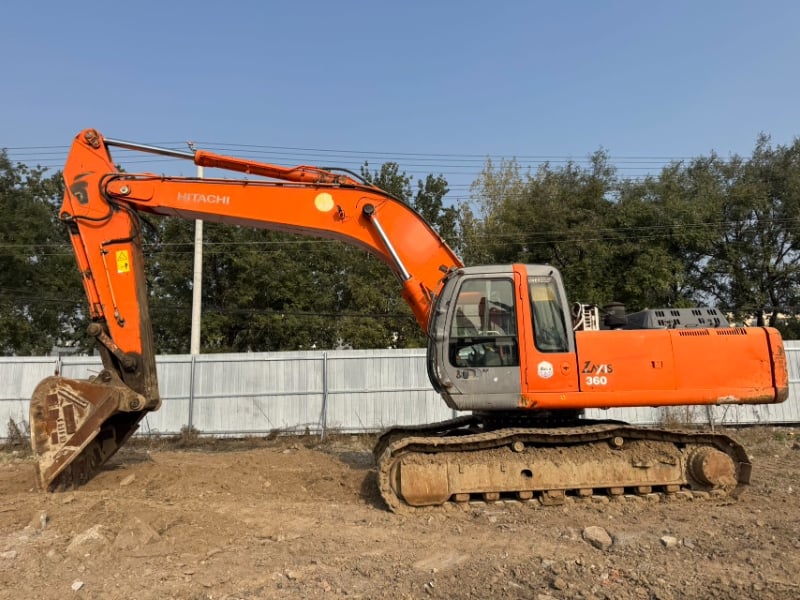
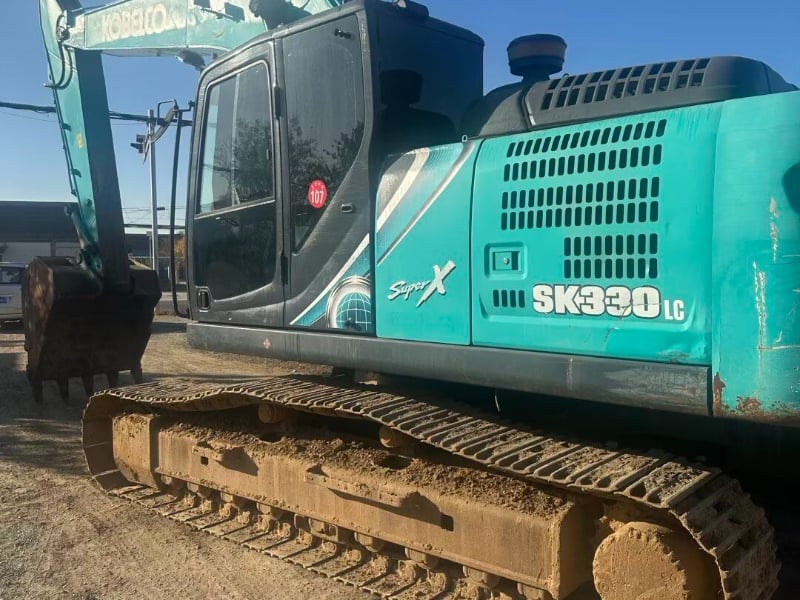
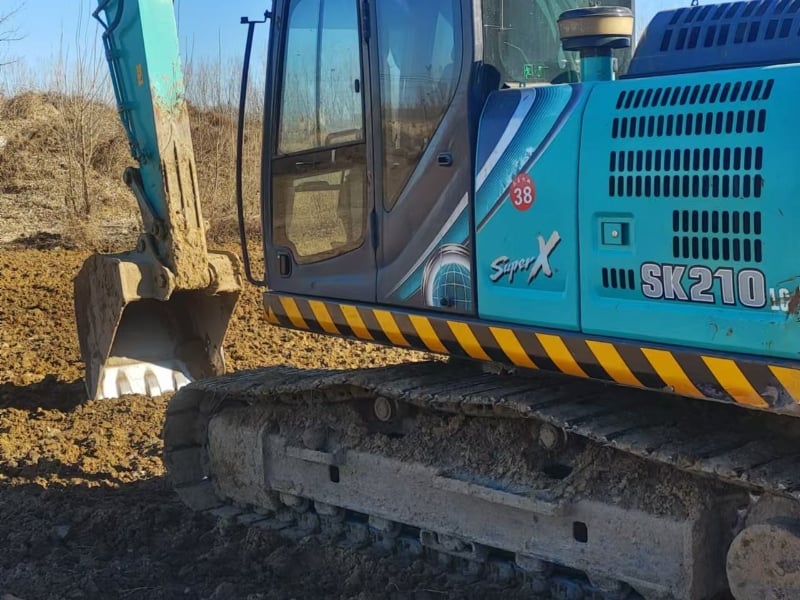
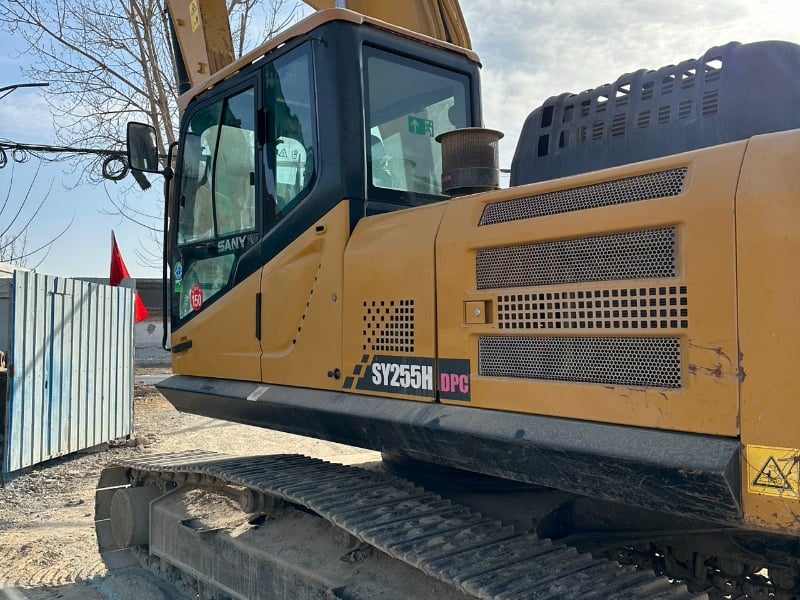
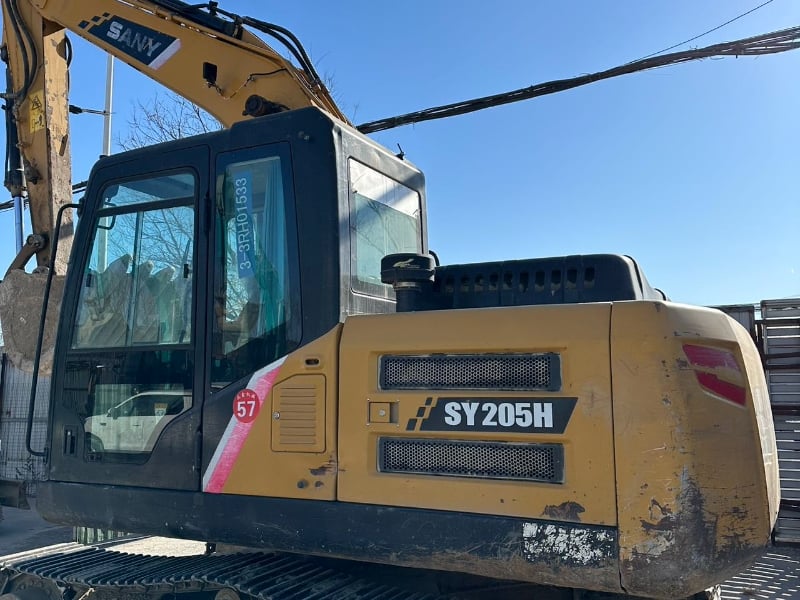
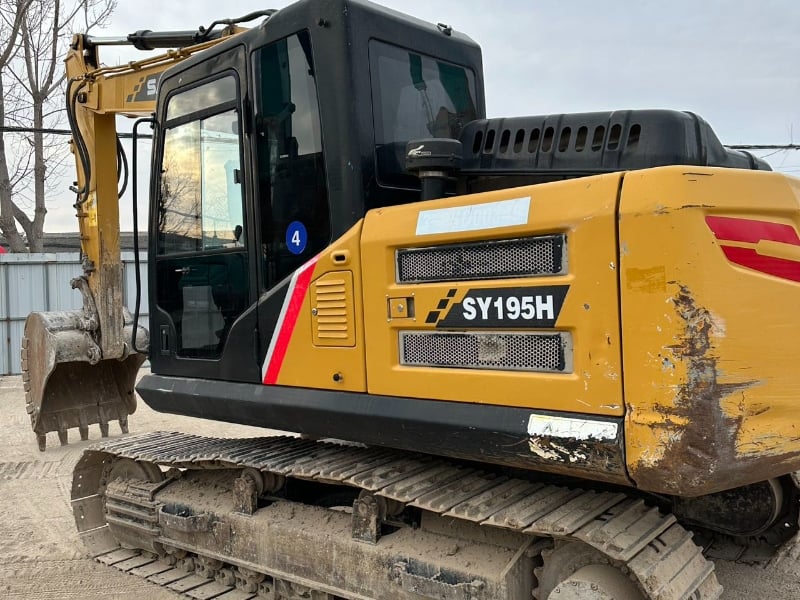
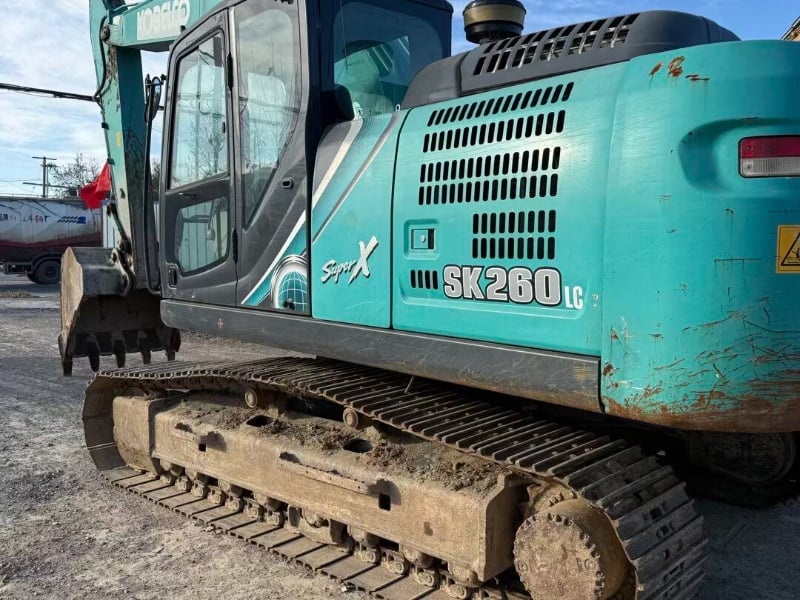
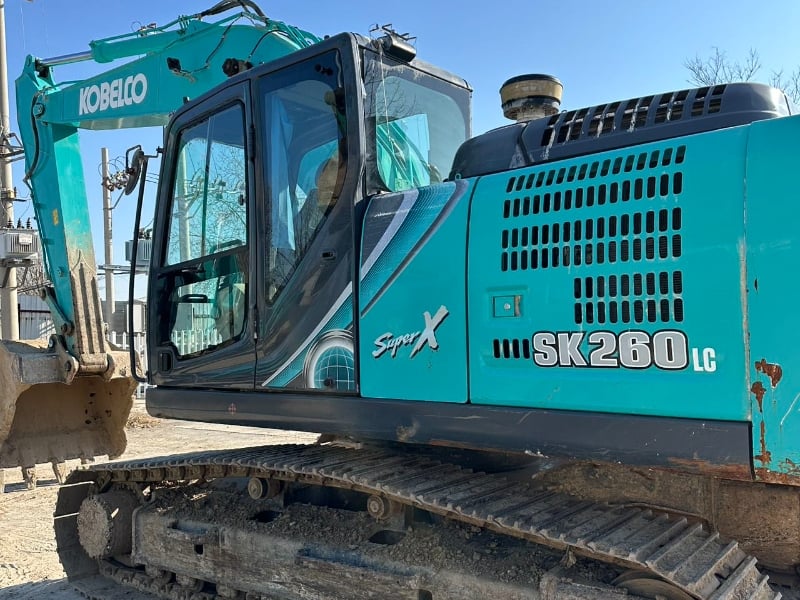
Tianjin Jinwei Machinery Equipment Co., Ltd. is a professional supplier specializing in the export of used excavators and construction machinery. We offer an extensive selection of pre-owned excavators from premier international brands such as Caterpillar, Komatsu, SANY, Hitachi, XCMG, and Kobelco. Strategically located in Tianjin—the largest comprehensive port city in Northern China—we leverage exceptional geographical advantages and a highly efficient global logistics network. This proximity to one of the world’s busiest ports ensures streamlined shipping, reduced transportation costs, and faster delivery times, enabling us to respond quickly to market demands and deliver high-quality machinery to destinations worldwide promptly.